Ireland Travel Guide
Updated on:
Planning a Trip to Ireland
Ireland immediately won my heart — the pubs, the people, the craic, and yes, the Guinness. Dublin is one of those cities that’s incredibly easy to fall in love with. It’s walkable, welcoming, bursting with personality, and has some of the best pub culture in the world. Whether you’re there for a long weekend or using it as a gateway to explore the wider country, Ireland never disappoints.
Jump To:
- Travel Guides by Area
- Ireland Itineraries
- Safety for Solo Female Travel
- Cost & Currency
- Tipping & Restaurants
- When to Visit Ireland
- Getting Around Ireland
- Ireland Photo Gallery
- Ireland Top Blog Posts
Disclaimer: This article contains some links where I earn commission through booking. There is no extra cost to you, and I only recommend things I’ve used and love or places I’ve stayed and enjoyed!
Travel Guides by Area
Ireland Itineraries
Safety for Solo Female Travel in Ireland
4 out of 5
Dublin is totally safe for solo female travelers. I hit the pubs at night and felt completely fine — the city has a lively, social atmosphere that makes it easy to feel comfortable even on your own. As always, be aware heading back to your accommodations late at night, but the city is safe and Uber is available if walking feels unsafe. Ireland in general is friendly, welcoming, and an easy solo destination.
Cost & Currency
Ireland’s currency is the Euro — credit cards are widely accepted everywhere, including pubs, restaurants, and taxis. Dublin is not a cheap city: expect to pay €7–9 for a pint of Guinness in a tourist-area pub, more at a venue like the Gravity Bar at the Guinness Storehouse. Food is moderately priced — you can eat well without spending a fortune, especially if you lean into the pub lunch culture.
Overall, Ireland is mid-range in terms of European travel costs. Accommodation, particularly in Dublin, can be pricey, especially around holidays and events. Book ahead when possible.
Tipping & Restaurants
Tipping is appreciated but not mandatory in Ireland. In restaurants, 10–15% is a thoughtful tip for good service. In pubs, it’s not expected to tip at the bar — though rounding up is always appreciated. Most servers are paid proper wages, so don’t feel obligated, but a tip for great service goes a long way.
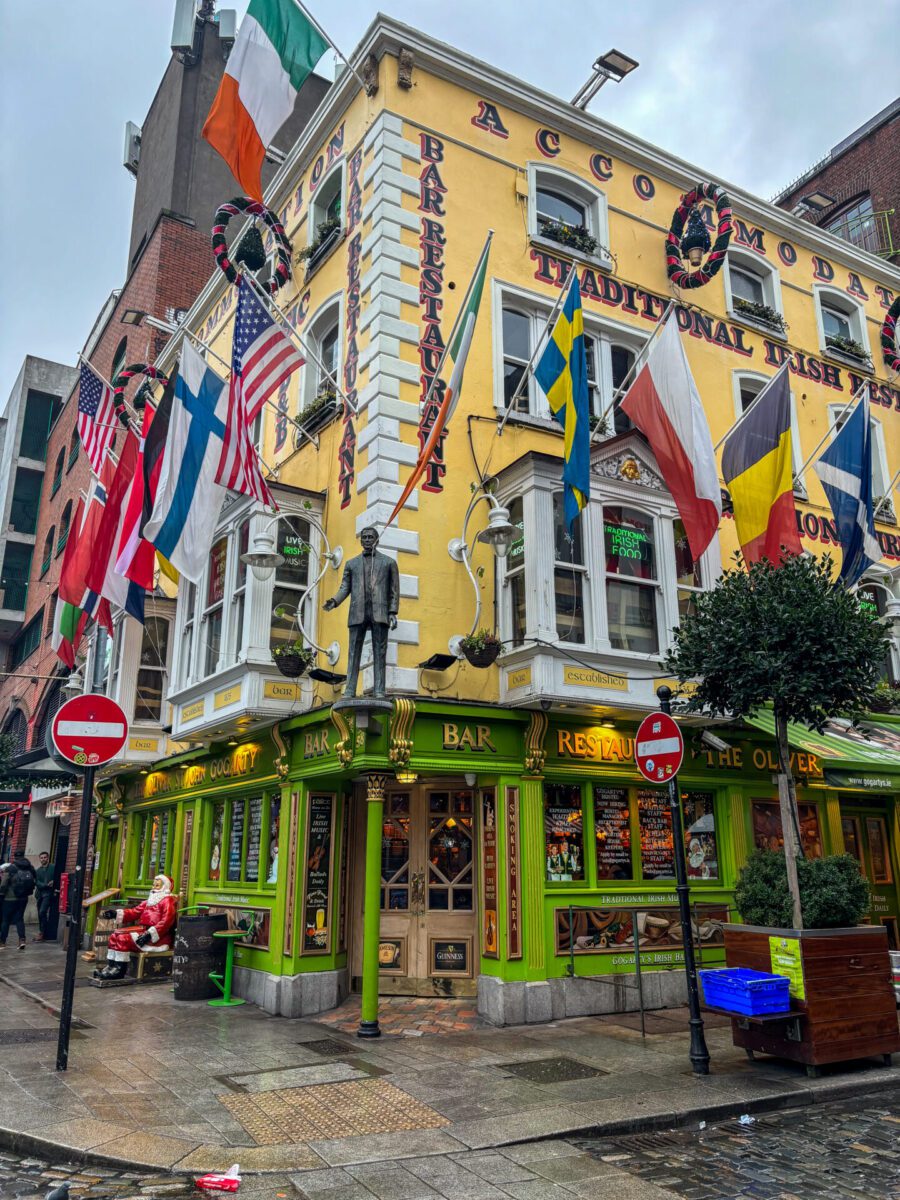
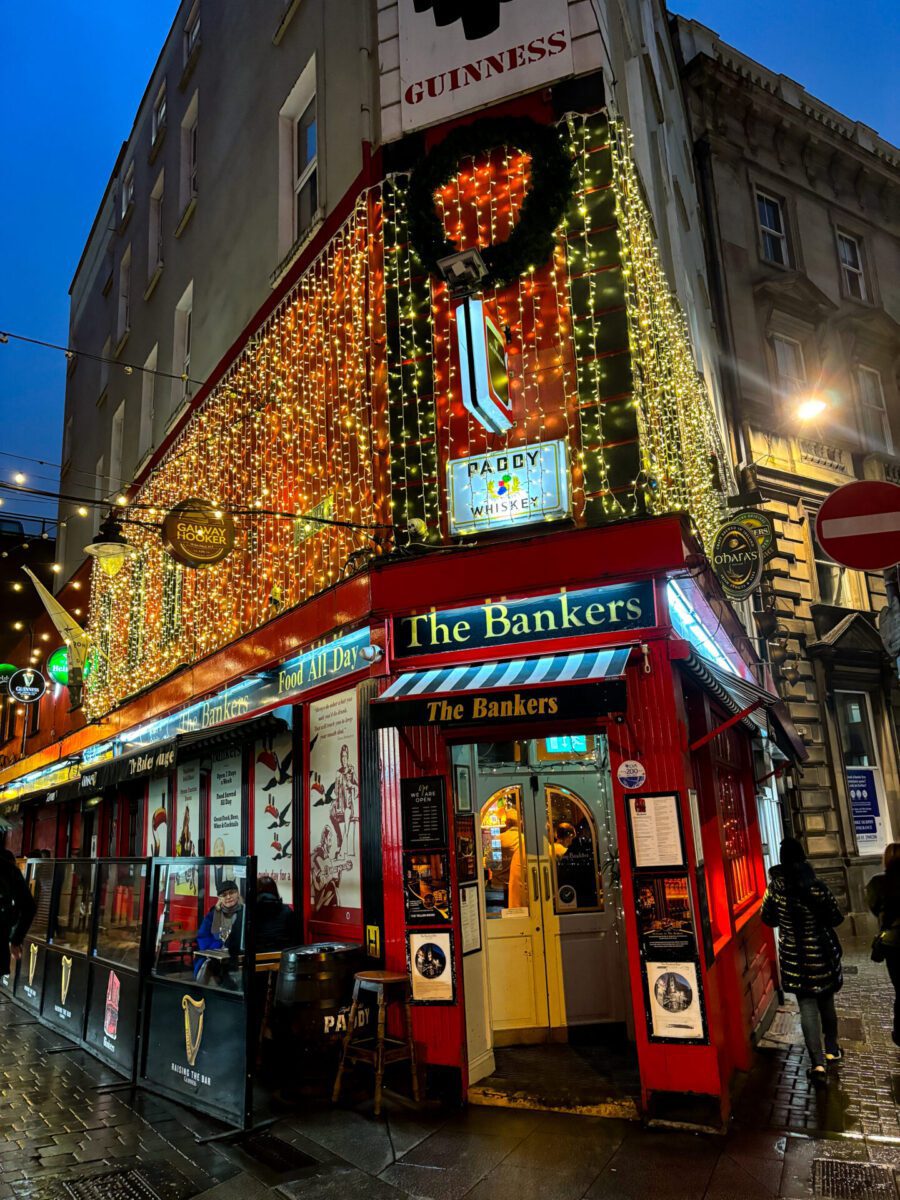
Pub culture in Ireland is everything — the pubs aren’t just bars, they’re community gathering spots with live music, great food, and craic (the Irish word for fun, good conversation, and good vibes). Do not skip a proper sit-down pub meal! Pub food in Ireland is genuinely delicious — think fish and chips, Irish stew, and the best nachos at Oneill’s.
When to Visit Ireland
Spring (March–May)
My top recommendation for first-time visitors. The crowds haven’t fully arrived, the countryside is brilliantly green, and St. Patrick’s Day (March 17th) in Dublin is an absolute bucket list experience. Temperatures are mild and the days are getting longer.
Summer (June–August)
Peak season — longer days, the best chance of decent weather (and yes, it can still rain!), lots of festivals and outdoor events. Dublin is buzzing. Book accommodation well in advance. The Cliffs of Moher and other popular spots can be crowded.
Christmas & New Year
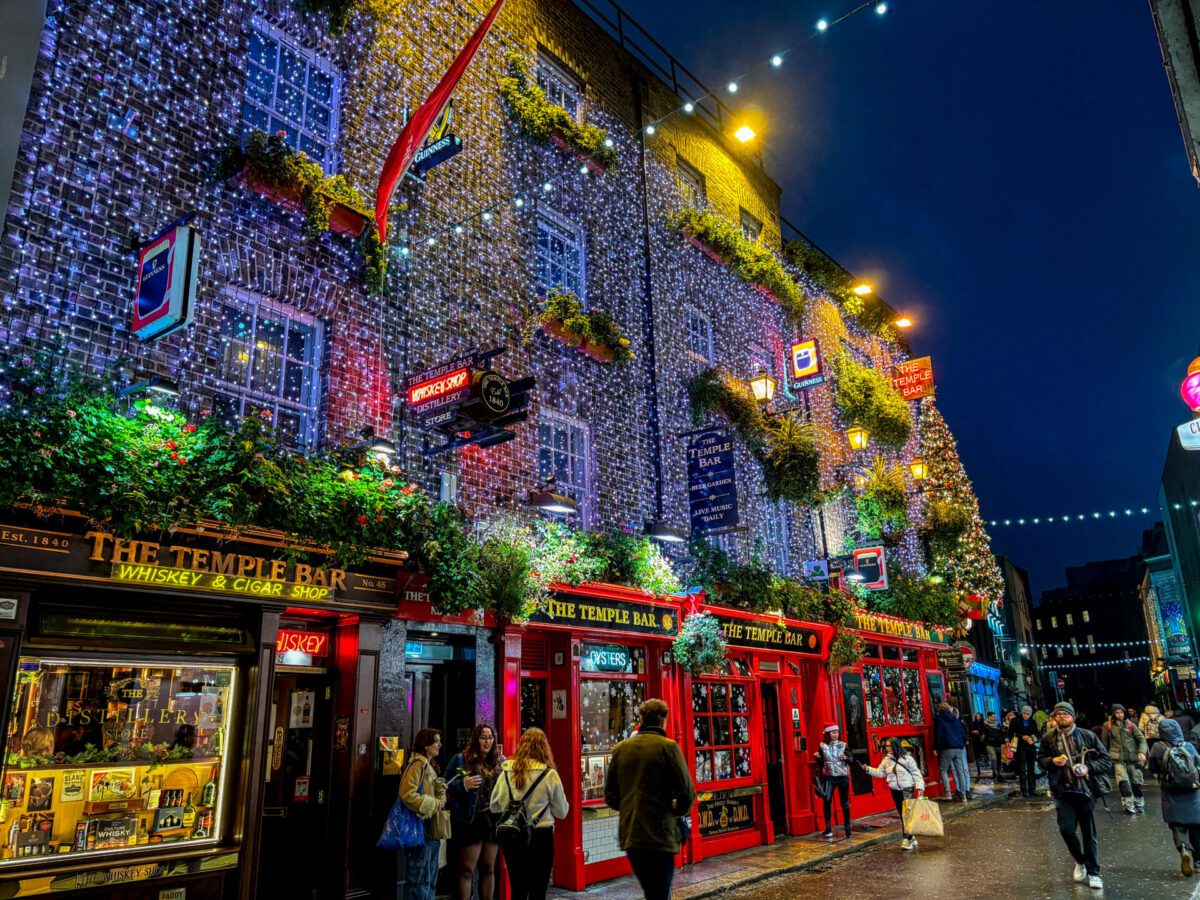
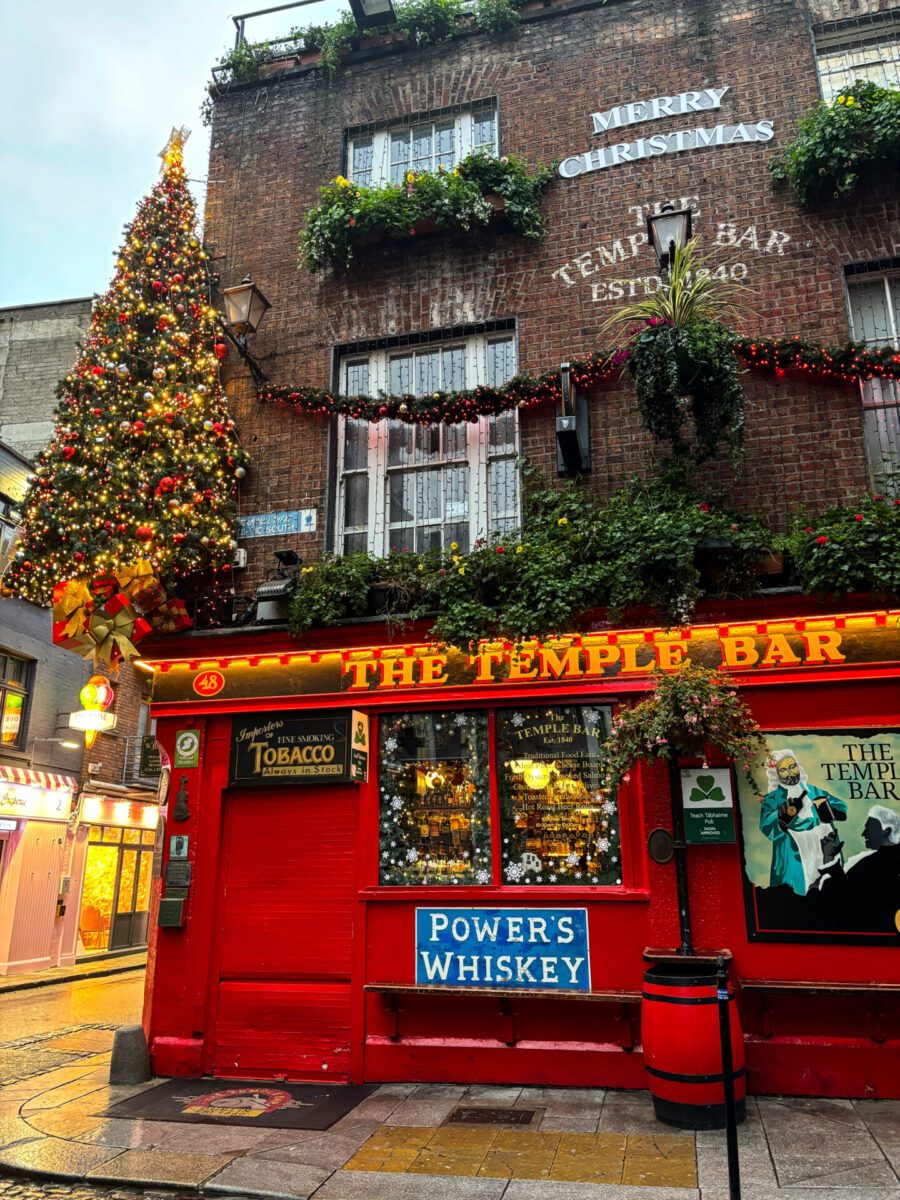
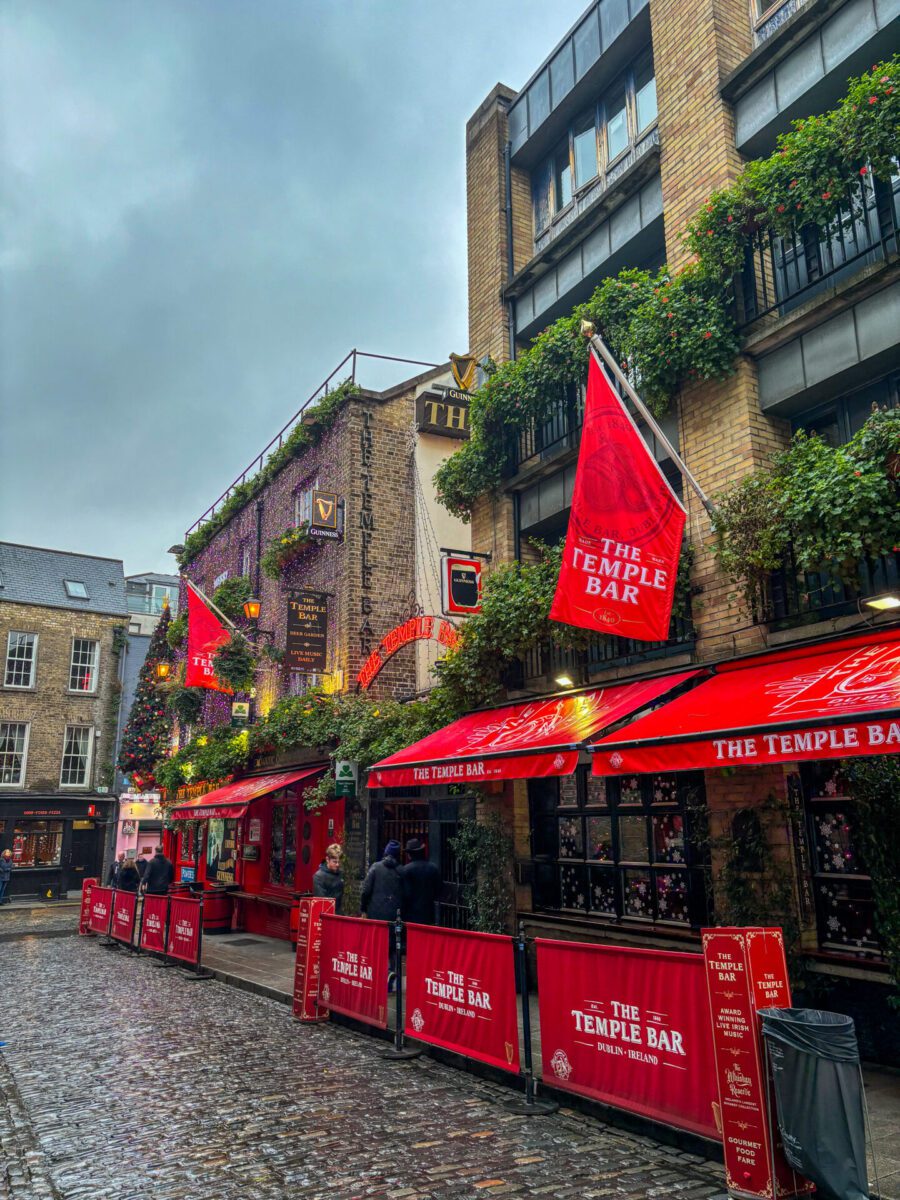
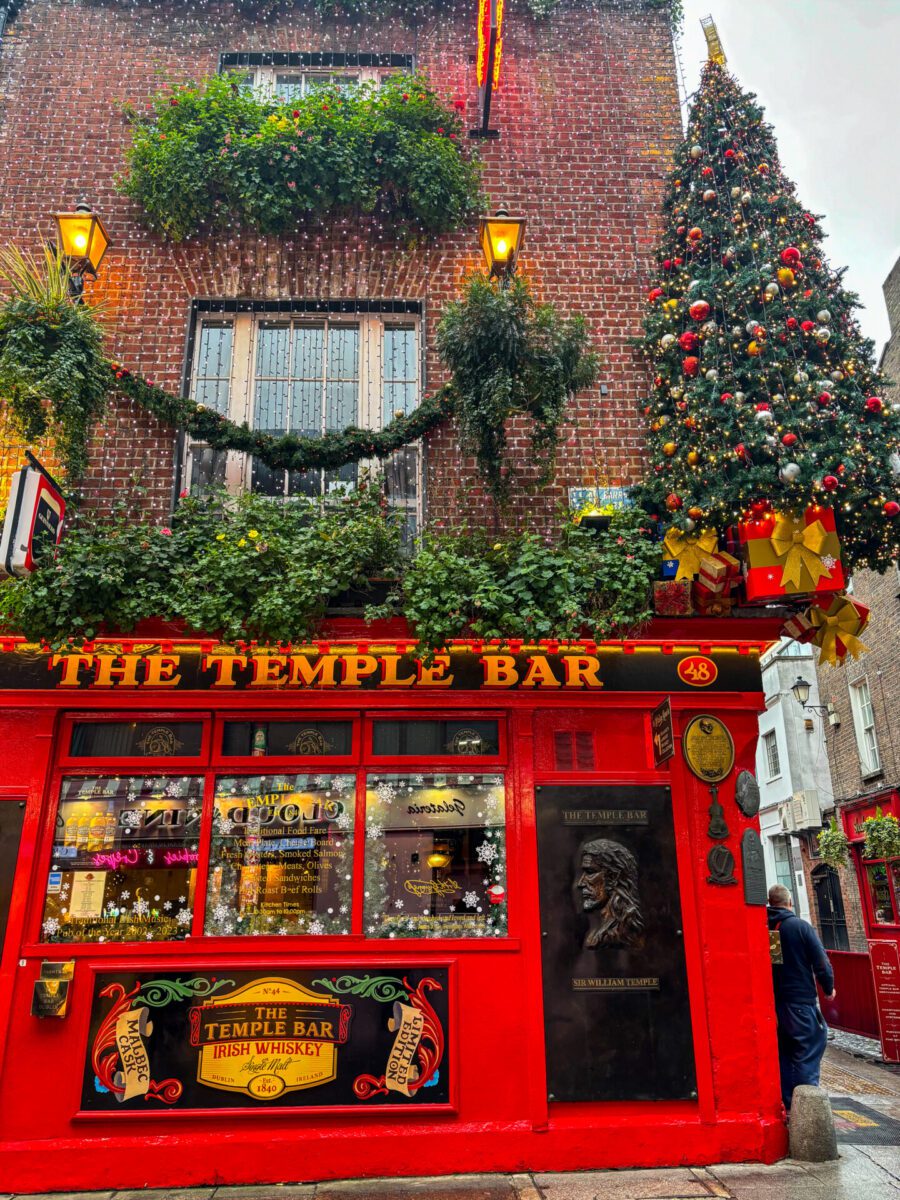
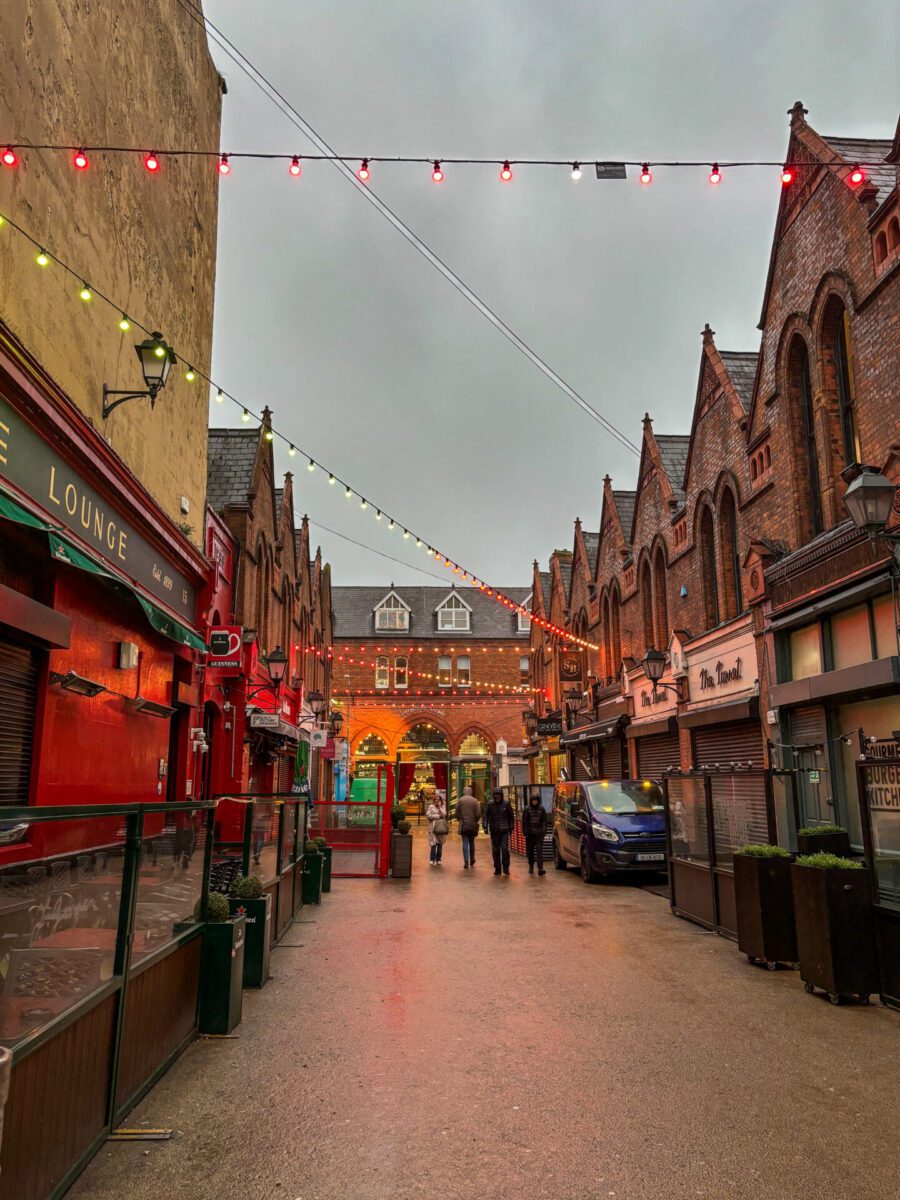
Dublin at Christmas is magical — twinkling lights on Grafton Street, festive pubs, and a cozy, celebratory atmosphere. Temple Bar is spectacular decorated for Christmas. The city stays lively right through New Year’s. I visited during the Christmas season and absolutely loved it — it’s a hidden gem time to visit.
Fall (September–November)
A great shoulder season — fewer crowds, lower prices, and Dublin’s pub culture is at its cozy best. Weather can be grey and wet, but for pub-hopping and exploring the city it honestly doesn’t matter much.
Getting Around Ireland
Dublin
Dublin is extremely walkable — most of the main attractions, pubs, and restaurants in the city center are within easy walking distance of each other. Uber is available in Dublin and works just like home (it operates with licensed taxis and private hire drivers). Free Now (formerly MyTaxi) is another app-based option that’s popular locally. Both are great for getting back to your hotel late at night if you don’t want to walk.
Getting to Howth
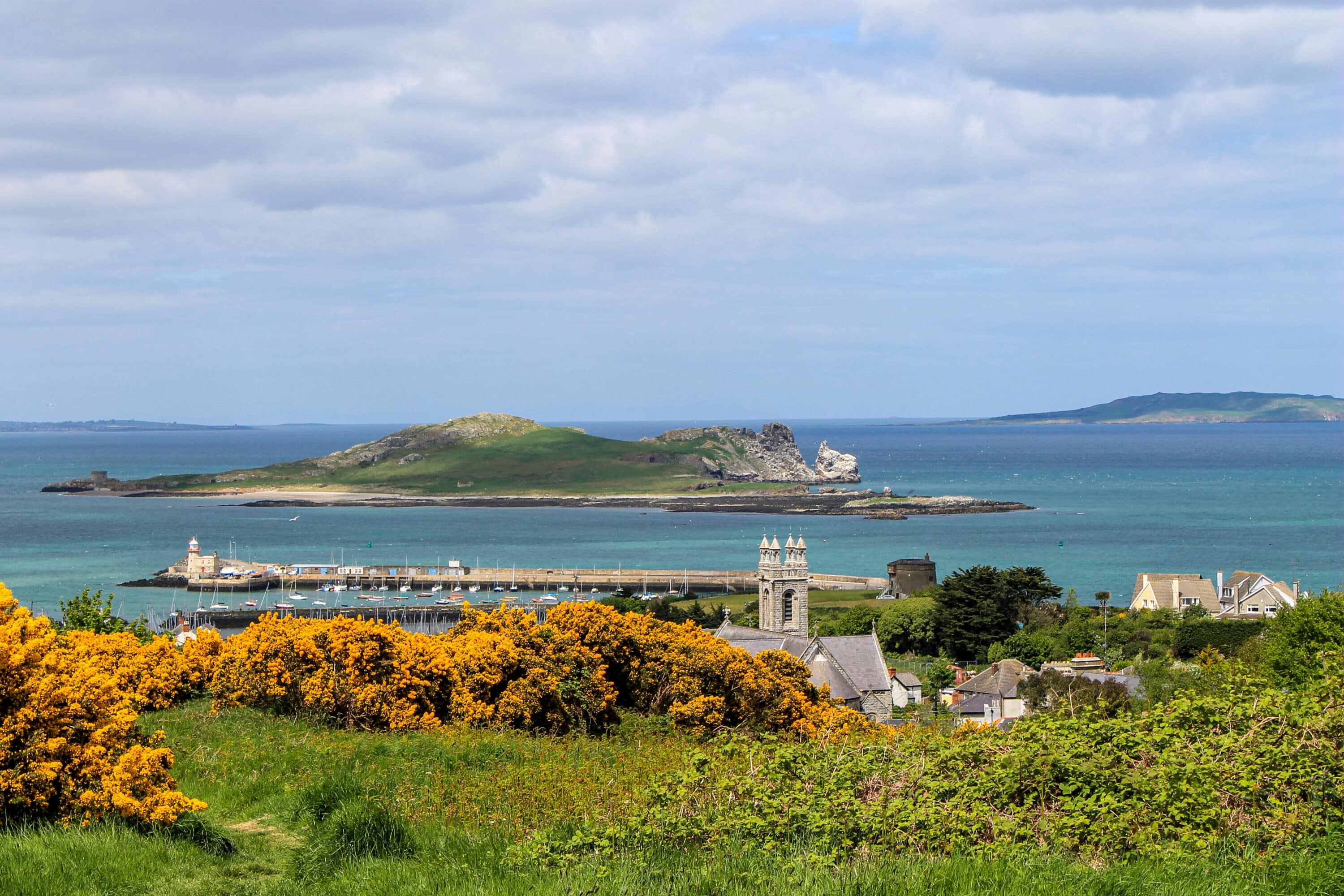
The DART (Dublin Area Rapid Transit) train is the easiest way to get to Howth — about 30 minutes from Connolly or Pearse station, runs every 20 minutes, costs around €4–5 each way. Highly recommend as a half-day trip! See my Dublin to Howth guide here.
Day Trips & Wider Ireland
For day trips like the Cliffs of Moher, Giant’s Causeway, or Galway, a guided tour from Dublin is the easiest option — public transport connections can be time-consuming and complicated. Bus Éireann and Irish Rail connect the major cities if you’re extending your trip beyond Dublin.